Back to home
INTERNATIONAL18 May 2026
American Lives on the Edge: The Hidden Risks of Ebola in the DRC
Six Americans have been exposed to Ebola during the DRC outbreak, with one showing symptoms, highlighting gaps in global health security and the need for stronger surveillance and coordination.
La
La Rédaction
The Vertex
5 min read
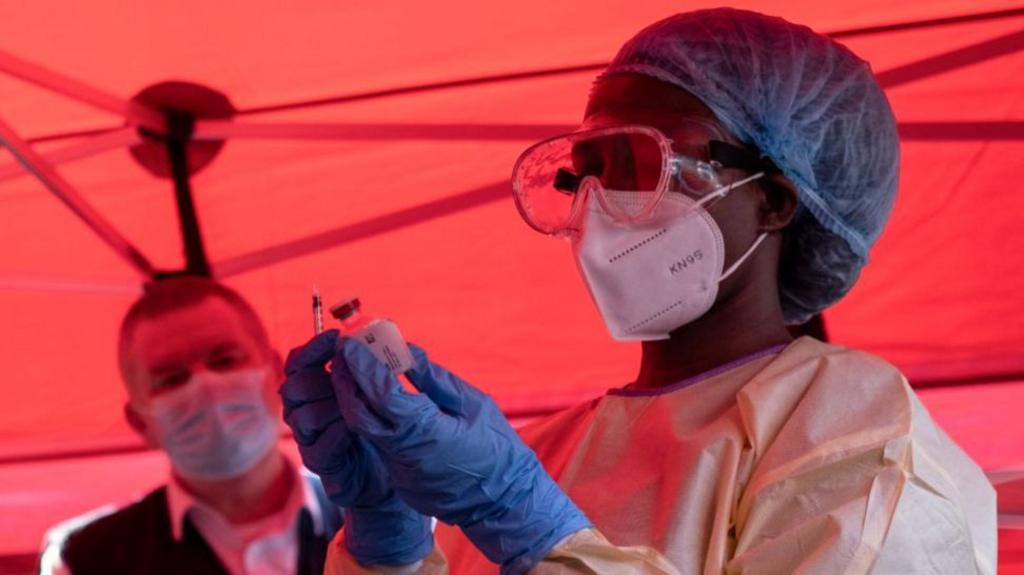
Source: www.bbc.com
Six United States citizens have been identified as having been exposed to the Ebola virus during the ongoing outbreak in the Democratic Republic of Congo, a stark reminder that a disease once confined to remote forests can cross borders with alarming speed. Media reports indicate that at least one of the exposed individuals is currently exhibiting early symptoms, raising urgent concerns about potential secondary transmission.
The incident underscores the fragility of global health security: a single infected individual can jeopardize diplomatic missions, strain humanitarian logistics, and ignite public anxiety, while highlighting gaps in personal protective equipment supply chains and real‑time monitoring. Moreover, the episode threatens to disrupt air travel routes and exacerbate economic strains on already vulnerable regions reliant on international aid.
Contextually, the DRC has endured multiple Ebola crises since the 1970s, each revealing how weak health systems, armed conflict, and mistrust impede containment; the current outbreak, now over a year old, reflects both progress in vaccine deployment and persistent obstacles in remote, conflict‑ridden zones, while the United States has historically provided logistical support and field hospitals, underscoring a long‑standing partnership that is being tested.
Looking ahead, the United States must balance rapid response with sustained investment in surveillance, local health workforce training, and equitable vaccine distribution, lest the next spillover become a catalyst for geopolitical tension rather than a managed public‑health event. Enhanced genomic sequencing, community engagement, and cross‑border coordination will be essential to prevent recurrence and to safeguard both American and Congolese populations. Such foresight will determine the durability of global health security.