Back to home
INTERNATIONAL21 May 2026
Air France and Airbus Convicted of Manslaughter in 2009 Crash
A French court has found Air France and Airbus guilty of involuntary manslaughter for the 2009 crash of Flight AF447 that killed 228 people, highlighting systemic safety failures.
La
La Rédaction
The Vertex
5 min read
Source: www.bbc.com
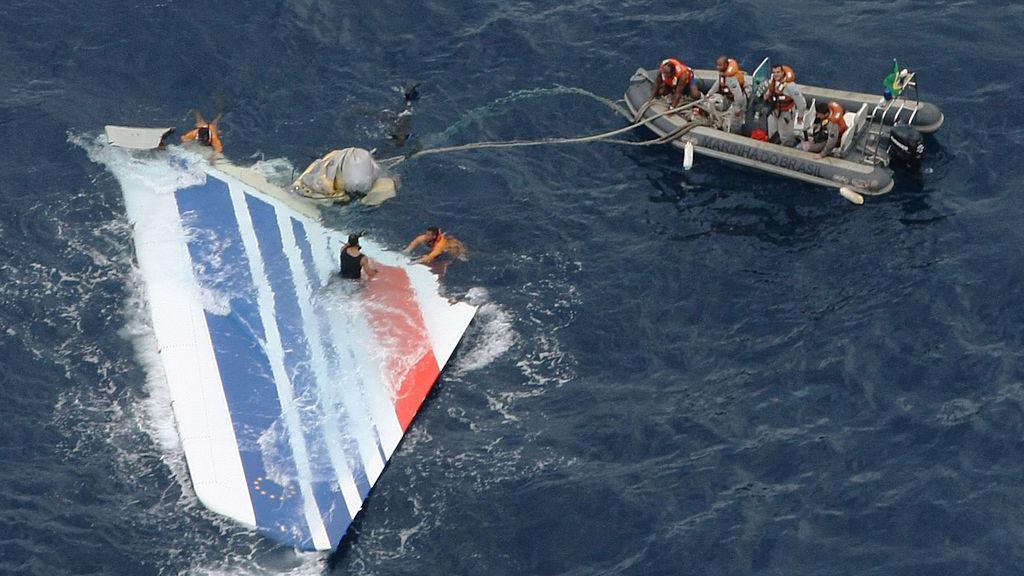
In a landmark ruling, a French tribunal has found Air France and Airbus guilty of involuntary manslaughter for the 2009 crash of Flight AF447, which claimed 228 lives, marking the first time a commercial aviation disaster has resulted in criminal convictions for the aircraft manufacturer and the airline, and sending shockwaves through the global aviation community.
The verdict underscores the complex web of responsibility that surrounds modern aviation. While the Airbus A330’s faulty pitot tubes were identified as a technical trigger, the court highlighted systemic failures in crew training, operational procedures, and corporate communication. Moreover, the judgment emphasizes the need for continuous monitoring of aircraft software updates and maintenance logs. Air France’s decision to rely on automated systems without adequate pilot oversight, and Airbus’s alleged lack of transparency regarding sensor design, were deemed contributing factors.
This case reverberates beyond the courtroom, prompting a re‑examination of safety culture in the aerospace sector. It follows a series of high‑profile incidents—from the 2002 Concorde crash to the 2010 Polish Air Force Tu‑154 tragedy—that have exposed the limits of regulatory oversight. The ruling also signals a shift toward greater accountability of manufacturers in the certification process, and European aviation authorities are now under pressure to tighten certification standards and mandate more robust crew resource management, especially in high‑altitude, high‑speed regimes.
Looking ahead, the ruling may accelerate reforms that prioritize human factors over automation, spur greater transparency from manufacturers, and reshape insurance and compensation frameworks. If the aviation industry embraces these changes, the tragedy could ultimately reinforce a safer, more accountable future for air travel. The decision also sets a precedent for future litigation, potentially influencing how airlines and manufacturers negotiate liability in the wake of technological failures, while restoring public confidence in air travel.