Back to home
INTERNATIONAL30 June 2026
Aftershock Fractures Hope: Venezuelans Stranded Amid Ruins
Twin earthquakes in western Venezuela have left towns in ruins, with residents using crowbars and pickaxes to rescue survivors amid limited aid. The crisis exposes deep socioeconomic fragilities and underscores the need for coordinated international assistance.
La
La Rédaction
The Vertex
5 min read
Source: www.bbc.co.uk
The twin earthquakes that struck western Venezuela on June 30, 2026 have left a swath of towns reduced to rubble, and the relentless aftershocks have frayed the nerves of a population already on edge. In the immediate aftermath, the sense of security that once underpinned daily life has evaporated, replaced by a pervasive anxiety that each tremor might herald further collapse.
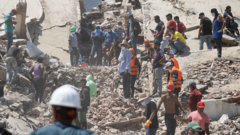
Residents are now combing through debris with crowbars, pickaxes and even their bare hands, desperate to reach survivors trapped beneath collapsed walls. The makeshift tools reflect both the urgency of the situation and the absence of organized rescue services, as municipal resources are overwhelmed by the scale of destruction.
The human toll is stark: thousands have been displaced, food and water supplies are intermittent, and medical facilities are either damaged or inaccessible. While international NGOs have begun to mobilize, the sheer magnitude of need outpaces the current capacity for rapid assistance, leaving many families to fend for themselves in the open air.
Venezuela’s ongoing economic collapse, compounded by chronic shortages of electricity and fuel, magnifies the vulnerability exposed by the quakes. The country’s already fragile health system, strained by years of underinvestment, now faces the dual challenge of treating injuries and preventing disease outbreaks in makeshift camps.
Looking ahead, the path to recovery will require not only substantial financial resources but also a coordinated political will to rebuild infrastructure and restore basic services. The aftershocks have underscored a broader lesson: in a nation where institutional capacity is thin, community resilience must be nurtured alongside external aid to prevent a protracted humanitarian crisis.