Back to home
INTERNATIONAL27 March 2026
Africa's Energy Crisis: Navigating the Fallout from Iran's War
African nations face severe energy shortages as Iran's war disrupts global oil supplies, exposing vulnerabilities in their energy infrastructure. Countries like Nigeria, Kenya, and South Africa implement emergency measures while confronting deeper structural challenges.
La
La Rédaction
The Vertex
5 min read
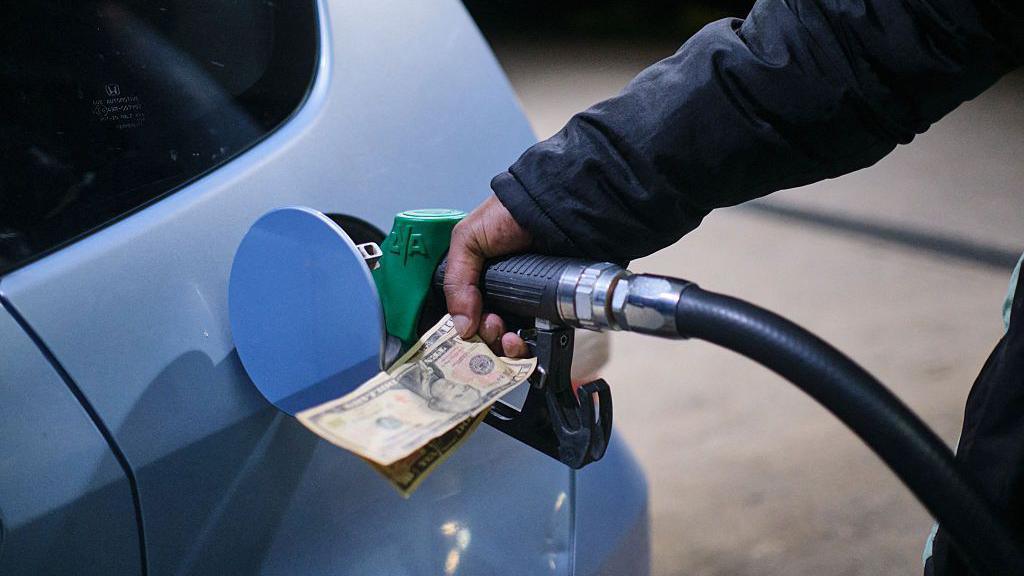
Source: www.bbc.com
As the conflict in Iran disrupts global oil supplies, several African nations are grappling with severe energy shortages that threaten their economic stability. The crisis has exposed the continent's vulnerability to international energy shocks, with countries like Nigeria, Kenya, and South Africa implementing emergency measures to manage dwindling fuel reserves.
The situation in Nigeria, Africa's largest oil producer, is particularly paradoxical. Despite its vast petroleum resources, the country imports most of its refined products due to inadequate domestic refining capacity. The Iran war has exacerbated this structural weakness, forcing the government to ration electricity and implement rolling blackouts across major cities. Small businesses, already struggling with high operating costs, are bearing the brunt of these measures.
Kenya has taken a different approach, rapidly diversifying its energy mix by accelerating investments in geothermal and solar power. While this strategy offers long-term benefits, the transition period has been marked by fuel price spikes and transportation disruptions. The government has introduced subsidies for public transport to mitigate the impact on commuters, but economists warn these measures are unsustainable.
South Africa's crisis highlights the intersection of energy security and economic inequality. The country's state-owned power utility, Eskom, has long struggled with aging infrastructure and corruption. The Iran conflict has pushed the system to its breaking point, leading to prolonged blackouts that disproportionately affect poor communities. Meanwhile, wealthy neighborhoods and businesses increasingly rely on private generators, deepening the energy divide.
Looking ahead, African nations must confront a stark reality: their energy futures depend not just on global geopolitics but on fundamental investments in infrastructure and renewable alternatives. The current crisis may serve as a catalyst for the continent's energy transition, though the path forward remains fraught with challenges.