Back to home
INTERNATIONAL17 March 2026
The Hidden Cost of Aerial Warfare: A Kabul Rehabilitation Center Under Fire
A Pakistani airstrike on a Kabul rehabilitation center killed potentially hundreds of patients gathered for dinner. The attack highlights the devastating human cost of aerial warfare in Afghanistan's deteriorating security landscape.
La
La Rédaction
The Vertex
5 min read
Source: www.bbc.com
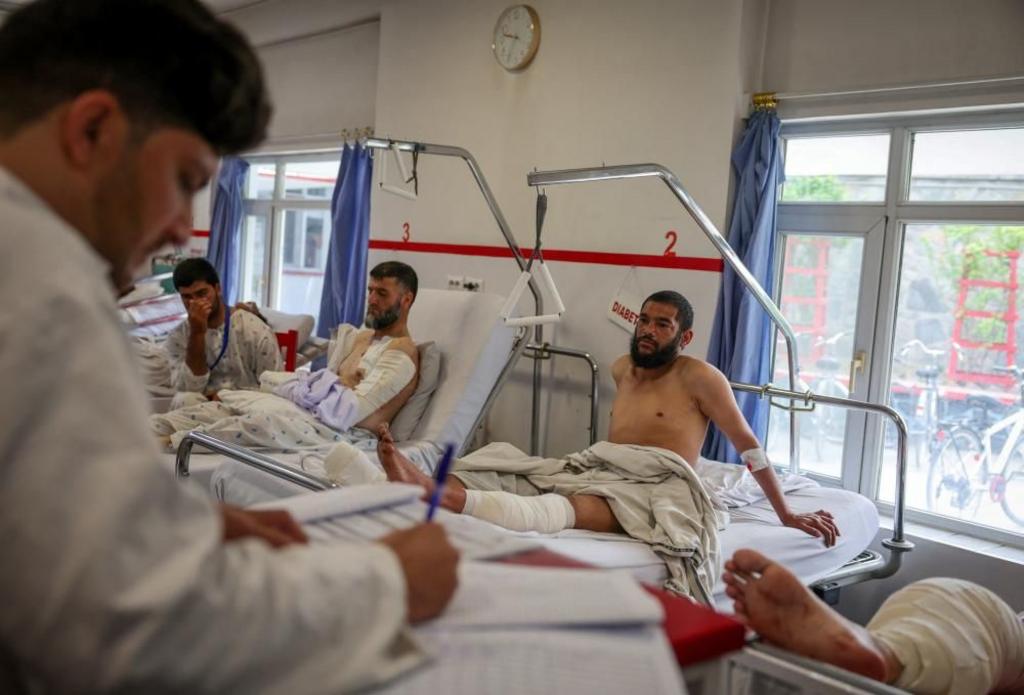
When the first missile struck the rehabilitation center in Kabul on Monday night, patients were gathered for dinner—a moment of fragile normalcy in a city perpetually under siege. The attack, attributed to Pakistani forces, represents more than a tragic miscalculation; it exposes the devastating human cost of modern aerial warfare where civilian infrastructure becomes collateral damage in geopolitical conflicts.
The rehabilitation center, serving Afghanistan's most vulnerable populations including amputees and trauma survivors, was never a military target. Yet in the calculus of cross-border operations, such distinctions blur. Survivors describe scenes of unimaginable horror: patients unable to flee, medical equipment destroyed, and the psychological trauma inflicted on those who escaped physical harm.
This incident must be understood within the broader context of deteriorating Afghanistan-Pakistan relations, where militant groups operate across porous borders and retaliatory strikes have become increasingly common. The international community's withdrawal has created a security vacuum where accountability mechanisms have collapsed. Neither Pakistan nor Afghanistan's current authorities have provided transparent investigations into such incidents.
The implications extend beyond immediate casualties. Each attack on civilian infrastructure erodes trust in governance, potentially fueling cycles of radicalization. For a nation already grappling with economic collapse and humanitarian crisis, the loss of medical facilities represents a catastrophic blow to public health infrastructure.
Moving forward, the international community faces a stark choice: continue treating Afghanistan as a battleground for proxy conflicts, or recognize that sustainable peace requires protecting civilian lives and infrastructure. Without accountability and renewed commitment to humanitarian principles, Kabul's rehabilitation centers—and countless other civilian spaces—will remain vulnerable to the next strike.