Back to home
INTERNATIONAL6 July 2026
Negombo Prison Uprising: A Symptom of Systemic Failure
The deadliest prison disturbance in a decade at Negombo left 26 dead and over 100 injured. It exposes deep systemic failures in Sri Lanka’s penal system.
La
La Rédaction
The Vertex
5 min read
Source: www.bbc.co.uk
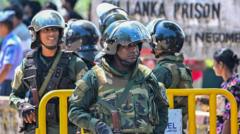
On the night of July 4, 2026, Negombo Prison in Sri Lanka became the epicenter of the deadliest prison disturbance in a decade, with two days of unrest leaving 26 inmates dead and more than 100 injured.
The violence erupted amid severe overcrowding, chronic understaffing, and a breakdown in internal security protocols. Inmates reportedly seized control of key prison wings, using improvised weapons to confront guards, while authorities responded with live ammunition and tear‑gas canisters. The lack of transparent communication and the heavy‑handed response appear to have escalated the conflict, turning a localized disturbance into a full‑scale riot.
Negombo is not an isolated case; Sri Lanka’s penal system has long suffered from systemic deficiencies, including outdated infrastructure, inadequate medical care, and a history of periodic uprisings. The 2022 prison revolt in Welikada and the 2024 incident at the Kandy facility illustrate a pattern of unrest that reflects broader governance challenges and public discontent with punitive policies.
The tragedy underscores the need for comprehensive reform, ranging from improved living conditions and mental‑health services to independent oversight mechanisms. Without structural changes, the cycle of violence is likely to repeat, jeopardizing regional stability and inviting international scrutiny.
International observers have called for an independent inquiry, emphasizing that the use of lethal force may violate both domestic law and international human‑rights standards. The incident also highlights the broader socioeconomic factors that drive prison overpopulation, such as lengthy pre‑trial detentions and limited alternatives to incarceration. Reform advocates argue that a shift toward restorative justice and community‑based sentencing could alleviate pressure on overcrowded facilities, while also fostering rehabilitation rather than recidivism.
Beyond the immediate human toll, the Negombo crisis signals a vulnerability in Sri Lanka’s broader security architecture, prompting neighboring countries to reassess their own prison management practices. Regional bodies such as the South Asian Association for Regional Cooperation (SAARC) have begun dialogues on harmonizing standards for inmate welfare and staff training, while the United Nations Office on Drugs and Crime (UNODC) is preparing a technical assistance package aimed at curbing violence through improved oversight and alternative sentencing pathways.