Back to home
POLITICS9 June 2026
Trump, Netanyahu, and the Illusion of Defiance
In a recent BBC interview, Donald Trump asserted that Benjamin Netanyahu had not defied his directives, a claim that reshapes the narrative of U.S.-Israel relations amid rising tensions with Iran. The statement reflects both a strategic recalibration and a potential shift in regional diplomacy.
La
La Rédaction
The Vertex
5 min read
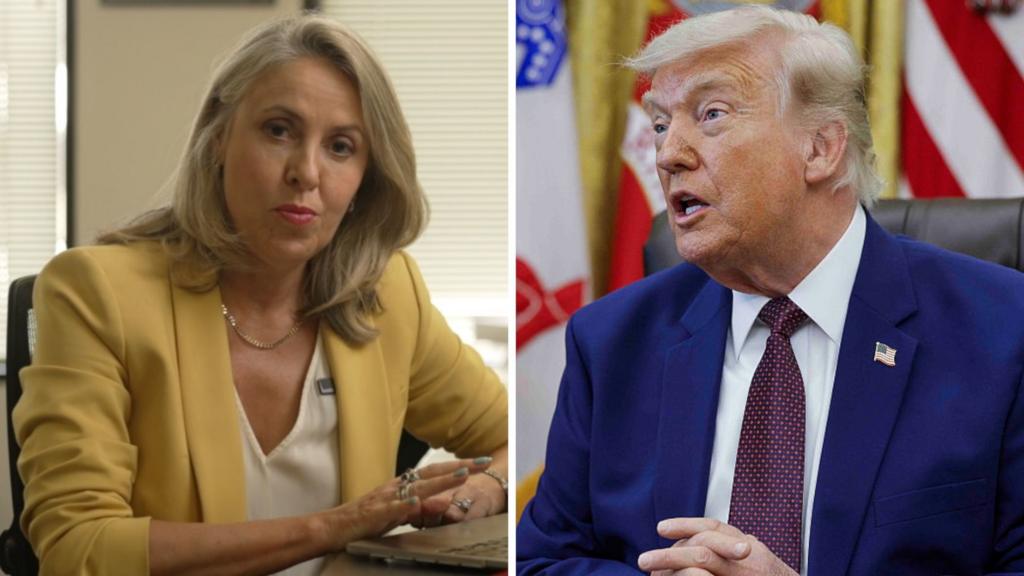
Source: www.bbc.com
During a recent video call with the BBC, former President Donald Trump was asked about his relationship with Israeli Prime Minister Benjamin Netanyahu and the broader conflict involving Iran. The exchange, captured in a terse BBC clip, revealed a surprising admission: Trump claimed Netanyahu had not defied his directives, a statement that reframes the narrative of unilateralism that has dominated the region for years.
Trump's assertion carries weight not merely because of his past influence over Middle Eastern policy, but because it signals a recalibration of the U.S.-Israel alliance. By suggesting that Netanyahu acted in concert with Washington rather than independently, Trump attempts to reassert American leverage at a time when Tehran's regional ambitions and domestic unrest have eroded previous diplomatic certainties.
The comment comes amid a volatile backdrop: Iran's accelerating nuclear program, the lingering fallout from the 2020 Abraham Accords, and internal Israeli political fragmentation that has seen Netanyahu's coalition strained by coalition partners wary of perpetual conflict. Historically, U.S. presidents have used public endorsements or rebukes to shape Israeli strategic calculations, making Trump's clarification a deliberate diplomatic signal rather than a casual remark.
Looking forward, the implications are twofold. If Trump's narrative holds, it could pave the way for a more coordinated U.S.-Israel stance against Iranian escalation, potentially reviving elements of the 2018 JCPOA framework under a new diplomatic guise. Conversely, if Netanyahu perceives a waning American commitment, he may pursue a more autonomous military posture, risking further destabilization of the already fragile regional equilibrium.