Back to home
INTERNATIONAL9 June 2026
Autonomous Craft Saves Apache Crew Amid Strategic Tensions in the Strait of Hormuz
An unmanned surface vessel rescued two Apache helicopter crew members from the sea near the Strait of Hormuz, highlighting the growing use of autonomous platforms in military rescue operations. The incident underscores strategic shifts in a region vital to global oil traffic.
La
La Rédaction
The Vertex
5 min read
Source: www.bbc.com
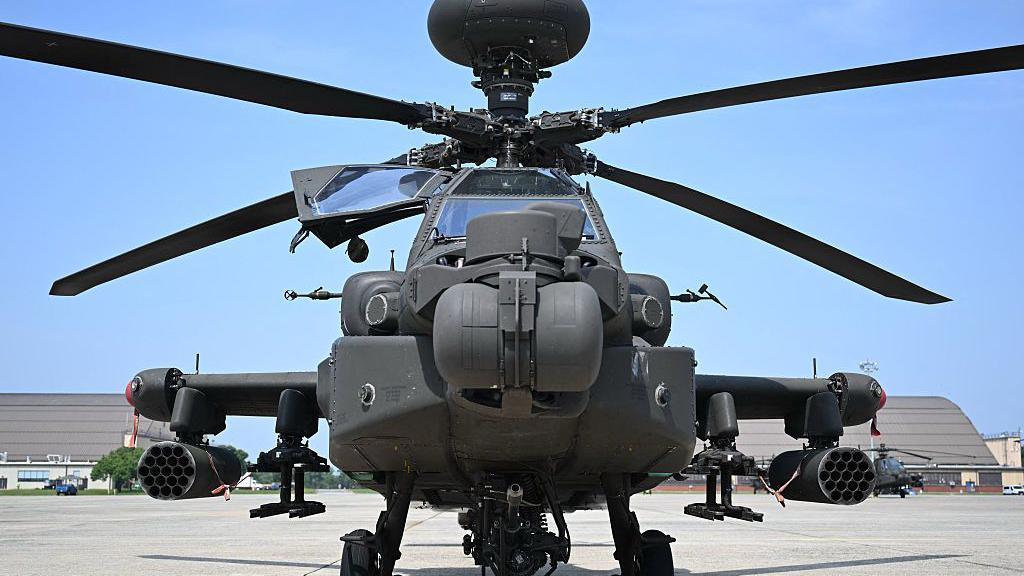
On Monday, an unmanned surface vessel recovered two crew members of a U.S. Army Apache helicopter that had crashed into the sea near the Strait of Hormuz, according to U.S. officials speaking to CBS News. The incident, occurring in one of the world’s most contested maritime chokepoints, underscores the growing role of autonomous platforms in high‑risk rescue operations.
Sea drones, equipped with advanced sonar and stabilization systems, can operate for extended periods in hostile waters where manned vessels risk exposure to mines, small‑boat attacks, or anti‑ship missiles. Their ability to approach a downed helicopter without endangering personnel illustrates a strategic shift toward risk‑averse tactics, allowing the United States to preserve lives while maintaining operational tempo in a region where every maritime incident carries geopolitical weight.
The Strait of Hormuz handles roughly one‑fifth of global oil traffic and has been a flashpoint since the 1980s, when Iran and Iraq engaged in tanker warfare. Washington’s reliance on unmanned assets reflects both a response to Tehran’s asymmetric tactics and a broader trend of integrating AI‑driven technology into military logistics, a shift that mirrors the commercial shipping industry’s own move toward autonomous navigation.
Looking ahead, the incident may accelerate procurement of maritime drones for search‑and‑rescue and reconnaissance missions, prompting allied navies to standardize procedures and potentially easing the burden on overstretched forces. However, increased autonomy also raises concerns about escalation, accountability, and the legal frameworks governing unmanned maritime operations, issues that will shape U.S. policy and regional security dynamics in the coming years. These developments will likely influence diplomatic dialogues and defense budgeting across the Gulf.